The Mass Migration, The Music, The Mud, and The Exodus : Woodstock 94 Fan Archive
Chapter 1: The Mass Migration
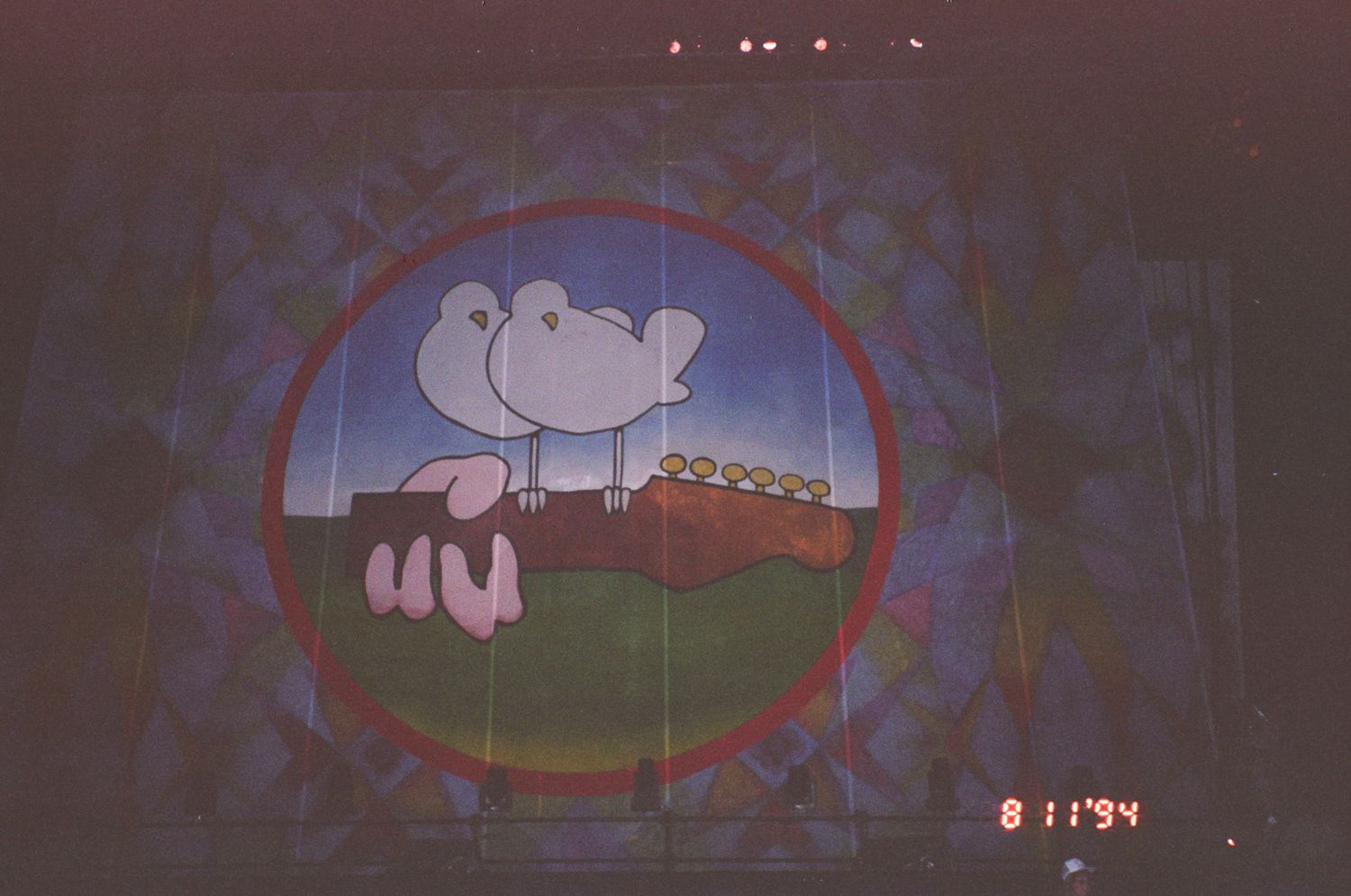
The journey began long before we reached Saugerties. I had ordered tickets for myself and three friends the moment they went on sale, and in the weeks leading up to the festival, I became the group’s quartermaster. I spent my time sourcing camping gear and essentials, but my most critical acquisition was a Minolta Freedom Zoom and a massive supply of Kodak Gold film. I didn't just want to attend; I made the conscious decision to archive the festival as it happened. As our departure drew closer, our circle grew—we decided to head out with another group of four of our friends, bringing our total crew to eight as we prepared for the trek.
We headed out from Upstate New York in the early hours of August 11, 1994, driving in a two-car convoy to beat the inevitable chaos. The traffic on the New York State Thruway grew denser with every mile, the road becoming a slow-moving artery of anticipation. After a single roadside pit stop, our caravan reached the Blue Lot in the early afternoon and transferred to the shuttle buses. The air was thick with the smell of diesel and the collective energy of thousands of fans.
When we stepped off the shuttles, we officially joined the Mass Migration. Security was already overwhelmed; they quickly checked our tickets, snapped bands onto our wrists, and handed us maps that felt more like guides to a new civilization. We entered through the Surreal Field, passing art installations and exhibits that blurred the lines of reality.
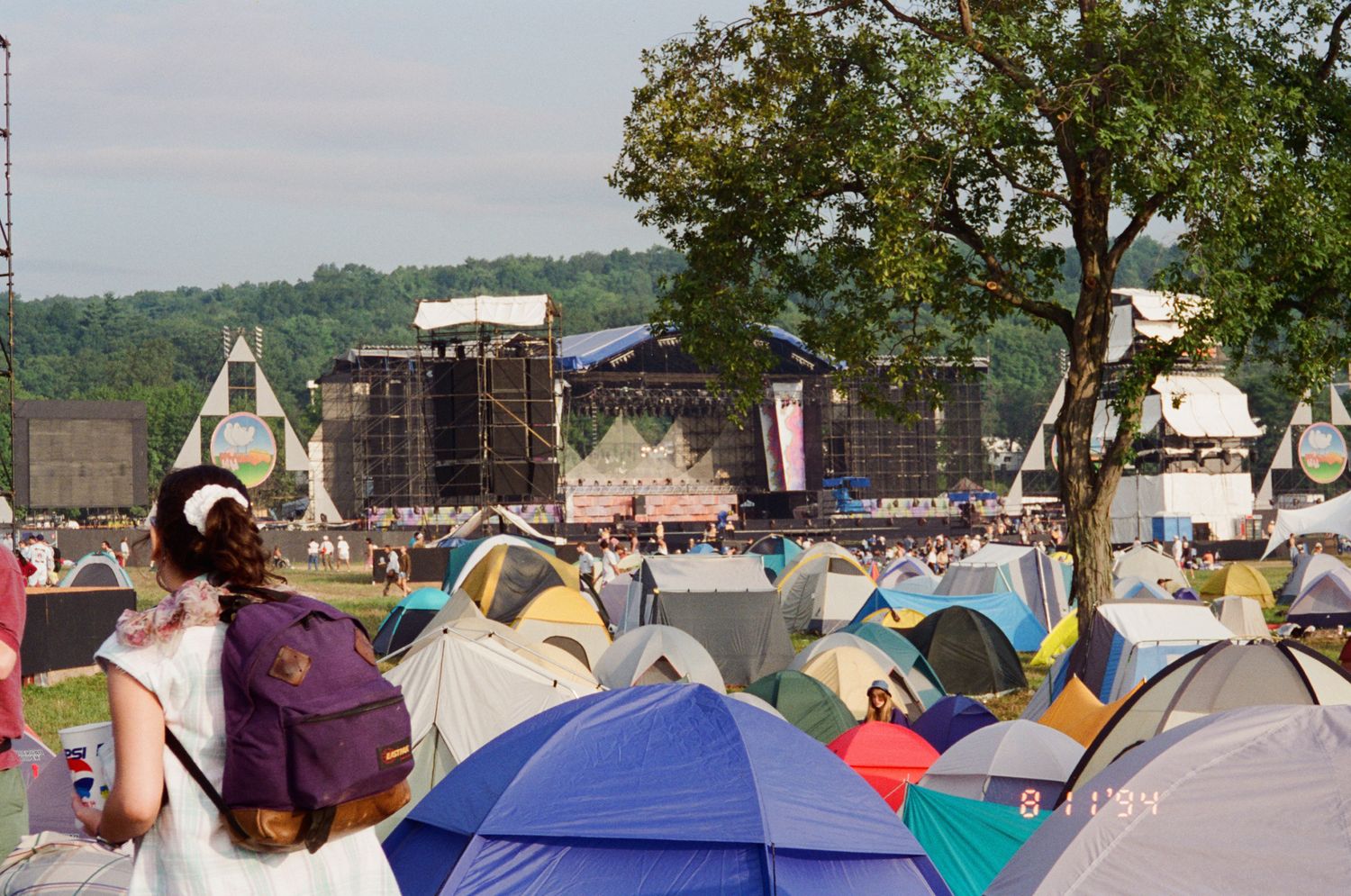
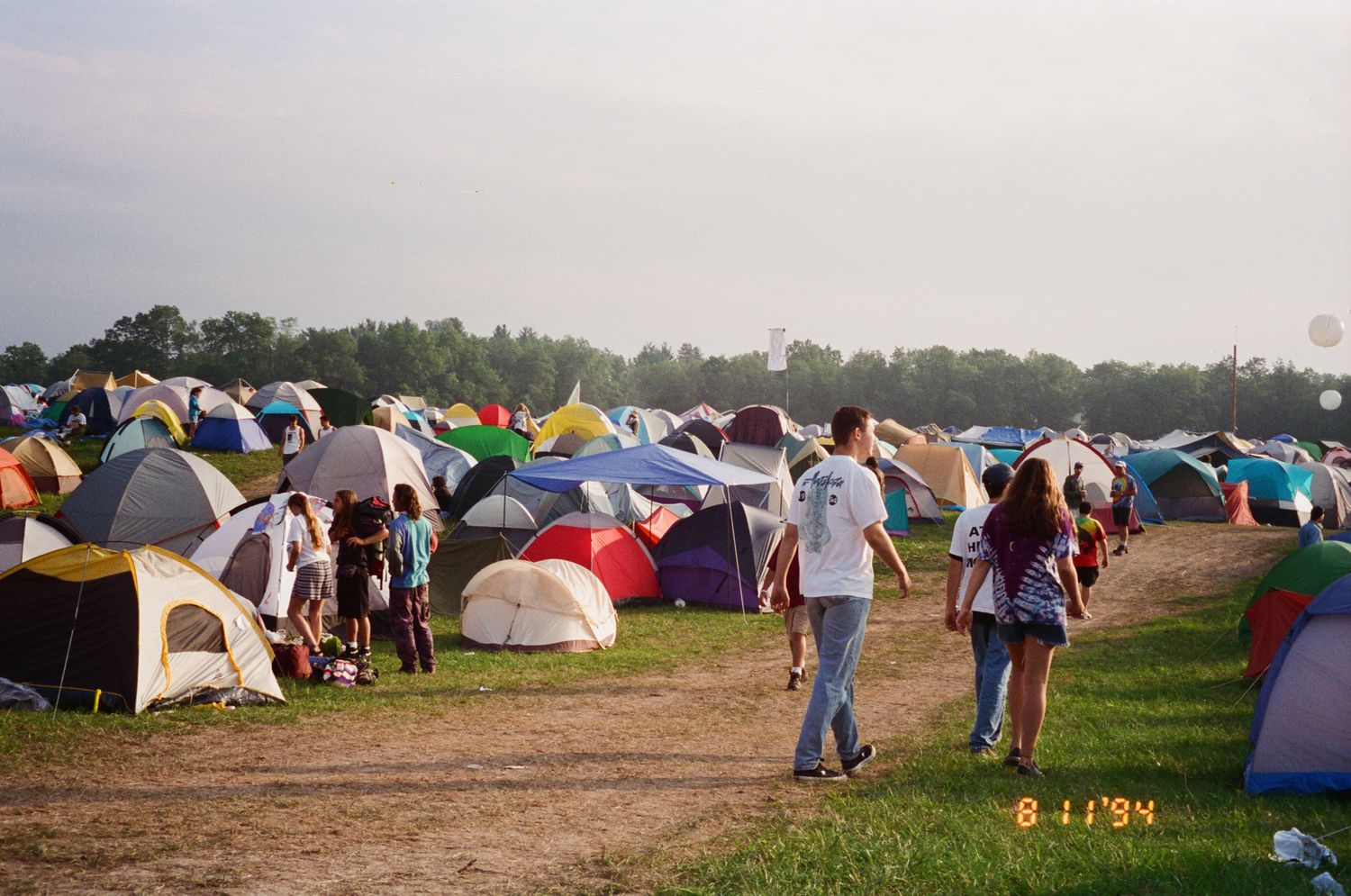
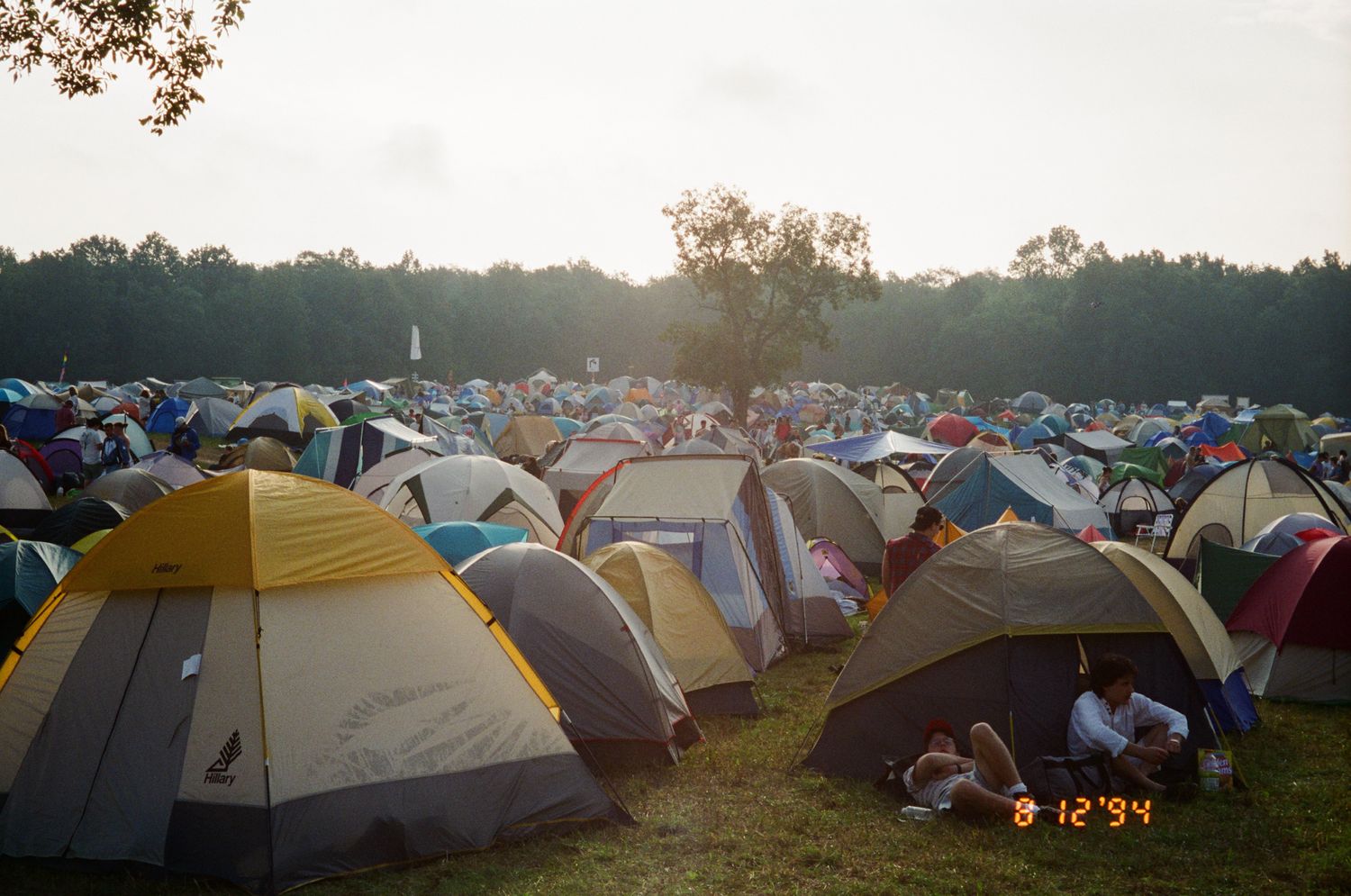
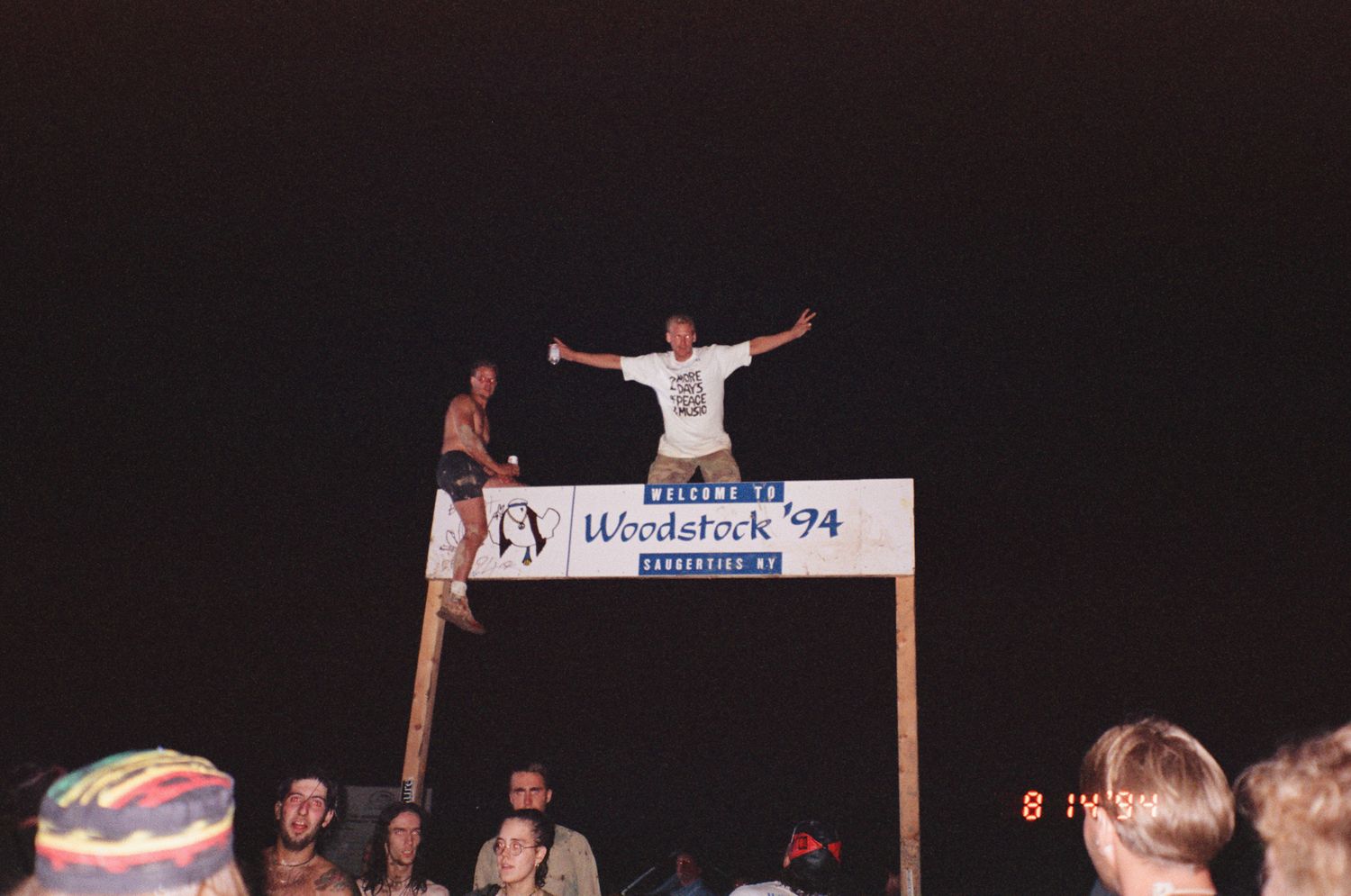
Crossing a small bridge, the landscape opened up into the North Field, a vast expanse that felt like a different world. Hanging directly above the crude dirt pathway was a double set of "Welcome to Woodstock '94" signs. Recognizing the strategic value of the location, we staked our claim just twenty feet from those signs, pitching our tents right at the crossroads of the festival’s future.
Chapter 2: The Music and the Immersion
Sleep was not easy that first night; the farm was alive with a restless energy. Random "woos" erupted from the sea of tents, echoing across the vast landscape like a forever-fading wave. It was truly surreal—a twenty-four-hour symphony of voices that reminded us we were part of something much larger than a typical camping trip.
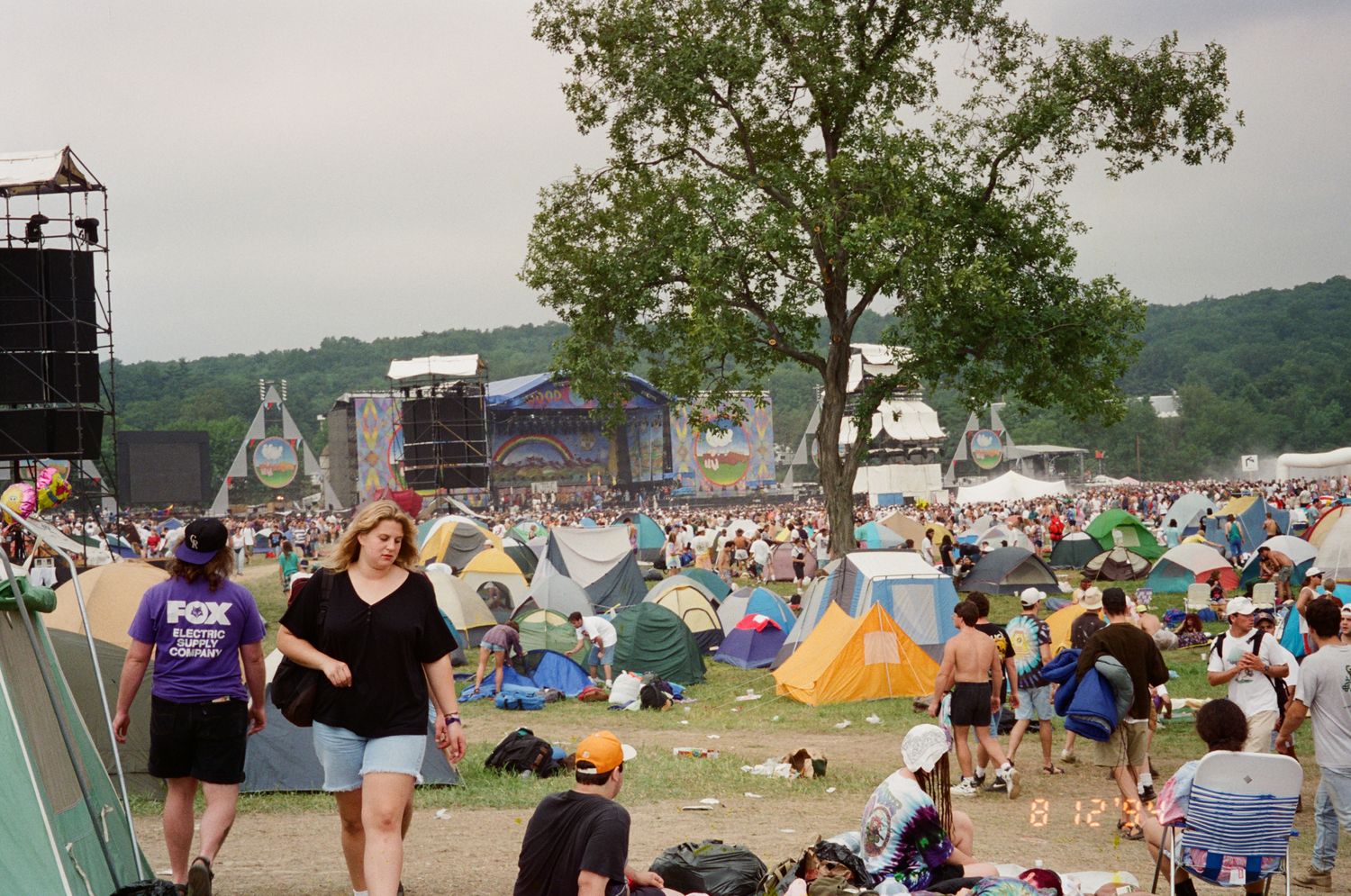
Inevitably, I was awake early on August 12, the first full day of the festival. I grabbed my Minolta Freedom Zoom and ventured out, documenting the transition as the morning light hit the burgeoning tent city. I knew the area was expansive—covering 800 acres of Winston Farm—but I was determined to see it all.
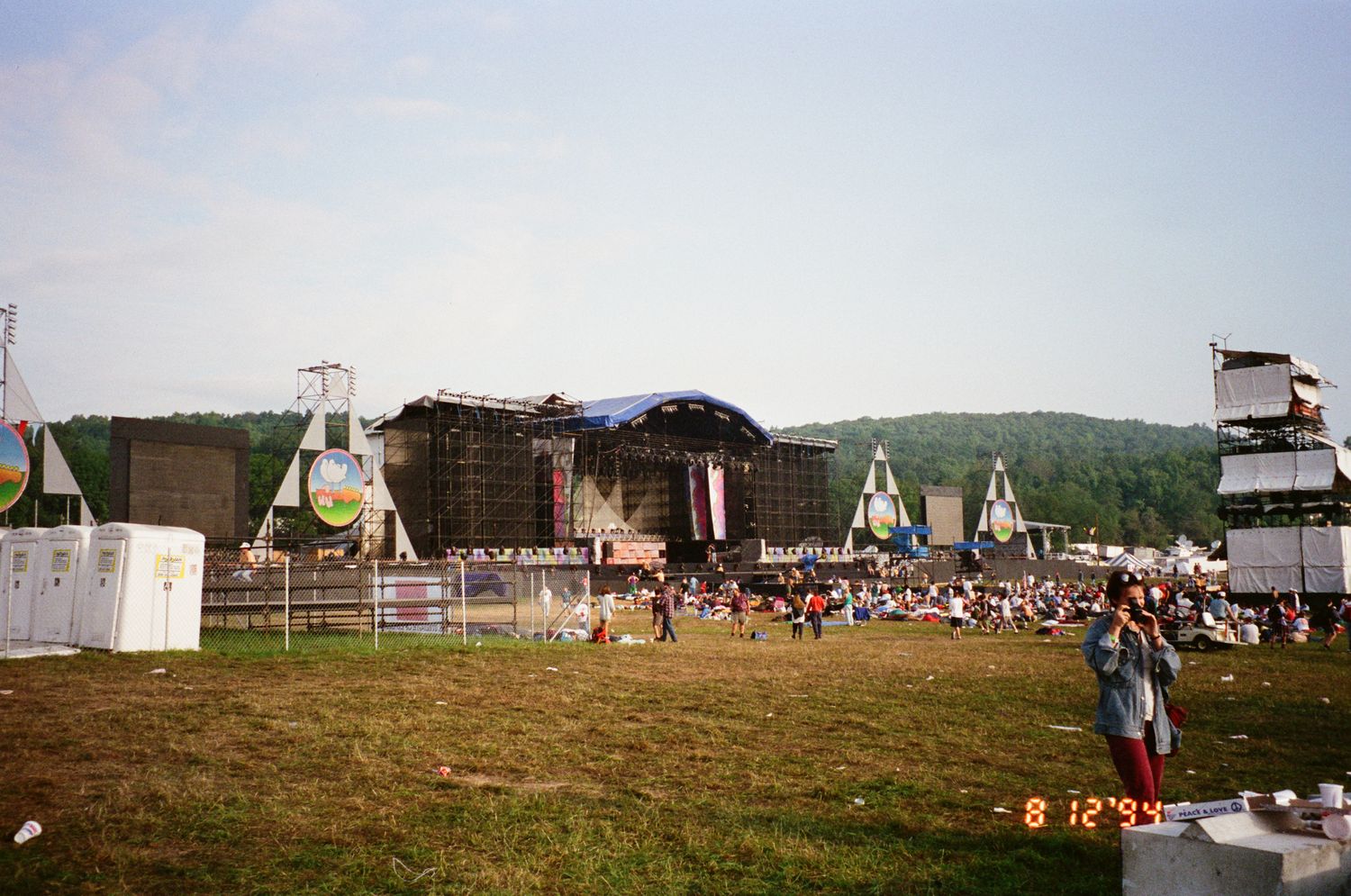
My trek took me through every corner of the site. I navigated between the North and South stages, feeling the shift in energy as the massive sound systems began to roar to life. Circling back through the Surreal Field, I found the area fully active now, populated by roving performers and towering kinetic art installations that kept the landscape in constant motion. Further along, I visited the Eco-Village, taking in the solar-powered exhibits and the vibrant murals that were scattered across the grounds.
The energy across the farm was intense. As the afternoon music started, more people kept pouring in through the gates, and it was clear the party was only just beginning. I tried my best to take it all in, frame by frame, as the mass migration finally settled into the deep, living rhythm of the festival.
Chapter 3: The Mud
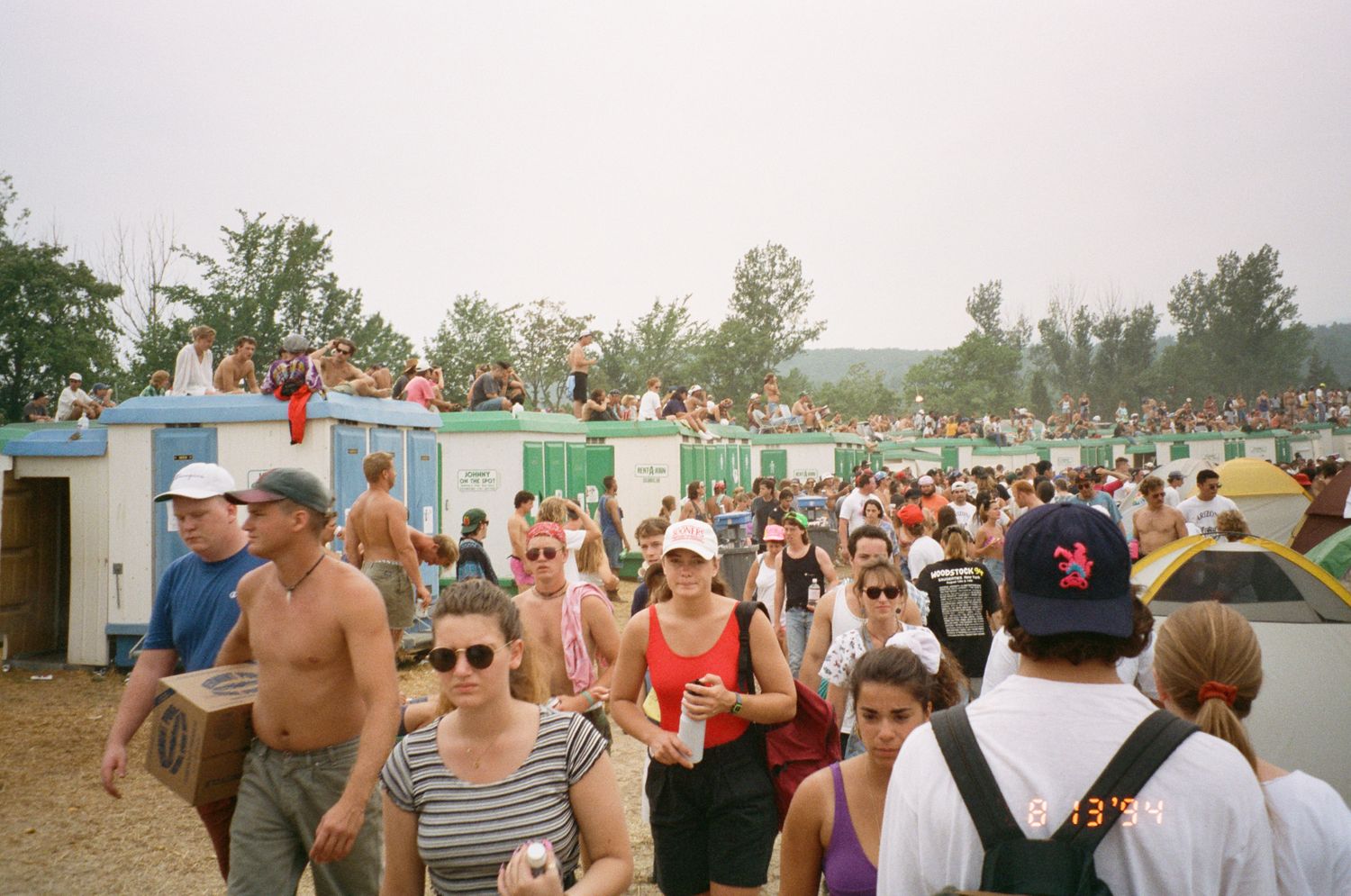
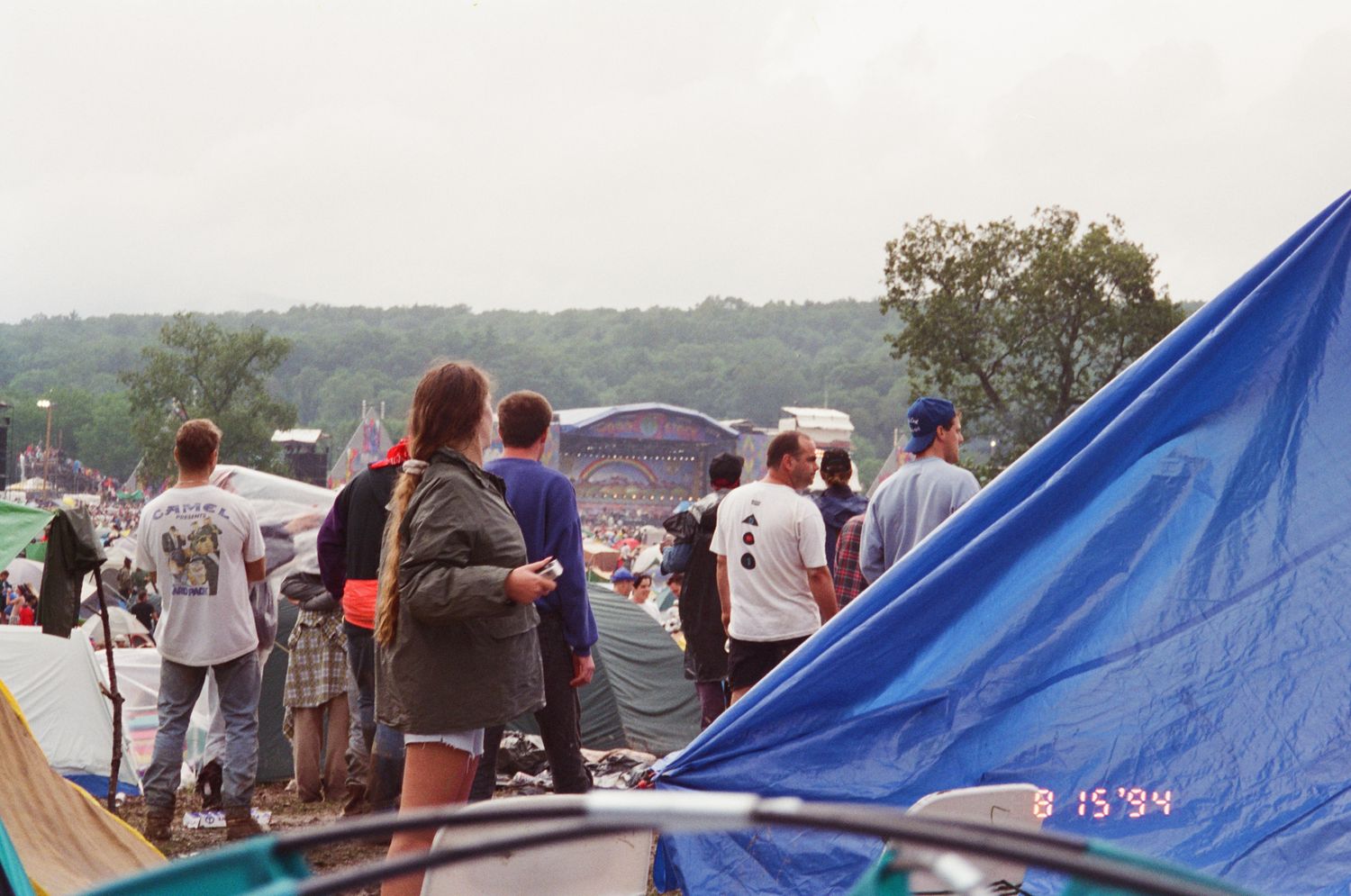
The morning of August 13, 1994, arrived with a deceptive, heavy stillness over Winston Farm. After the whirlwind of the opening day, the festival was settling into its own massive rhythm. The early hours carried a unique energy—a mixture of exhaustion from the night before and a baseline hum of anticipation for the massive lineup ahead. As the sun began to warm the fields, the sheer scale of the human gathering became fully visible. Streams of people were already in motion, pulling the massive crowd back and forth in a constant, pulsating migration between the North and South stages, guided by the music echoing across the valley.
As the afternoon progressed, the day’s vibrant energy began to physically alter the landscape, though not from the sky just yet.
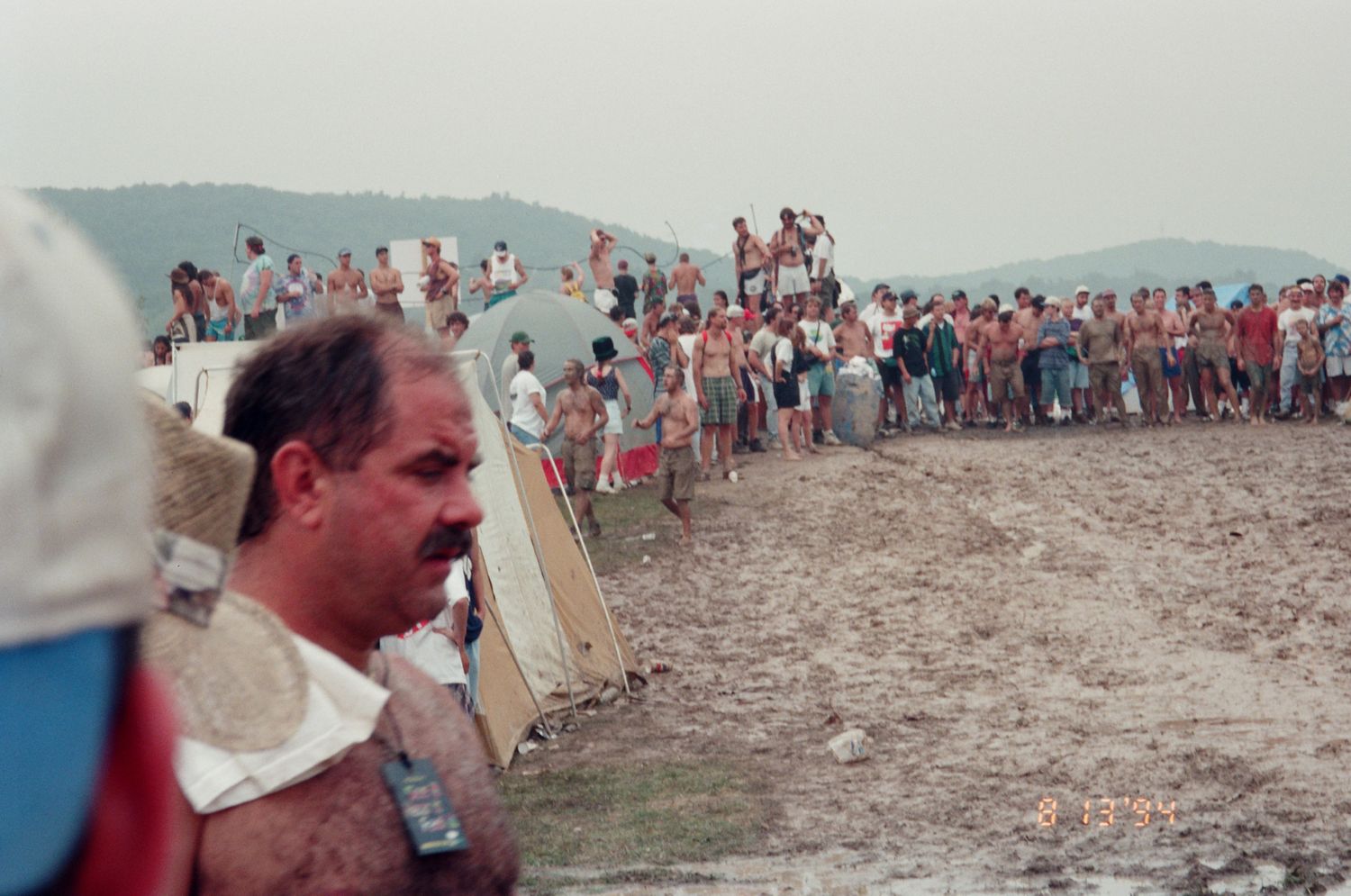
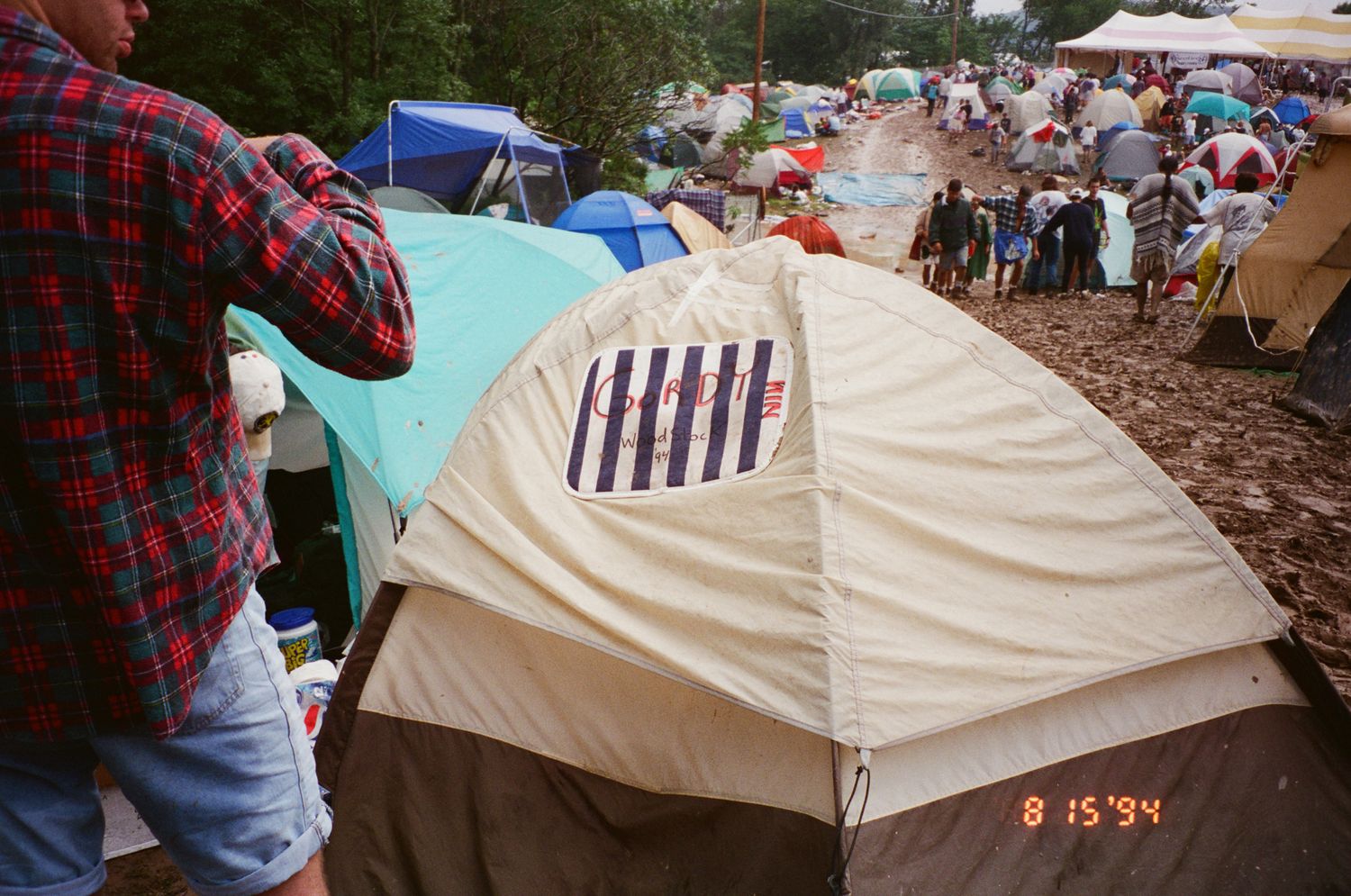
The first signs of the transformation were localized, born from the farm's overtaxed infrastructure and the relentless friction of hundreds of thousands of feet. Near the high-traffic areas and the water facilities, runoff began to pool and mix with the heavily trampled earth. Deep, thick pits of dirt started to carve out in these specific zones. They weren't a widespread feature of the farm yet—just isolated, massive craters of sludge along the main thoroughfares.
At first, people tried to navigate around them, treating them as an inconvenience to be skipped over or bypassed. But as the volume of travelers grew, avoidance became impossible.
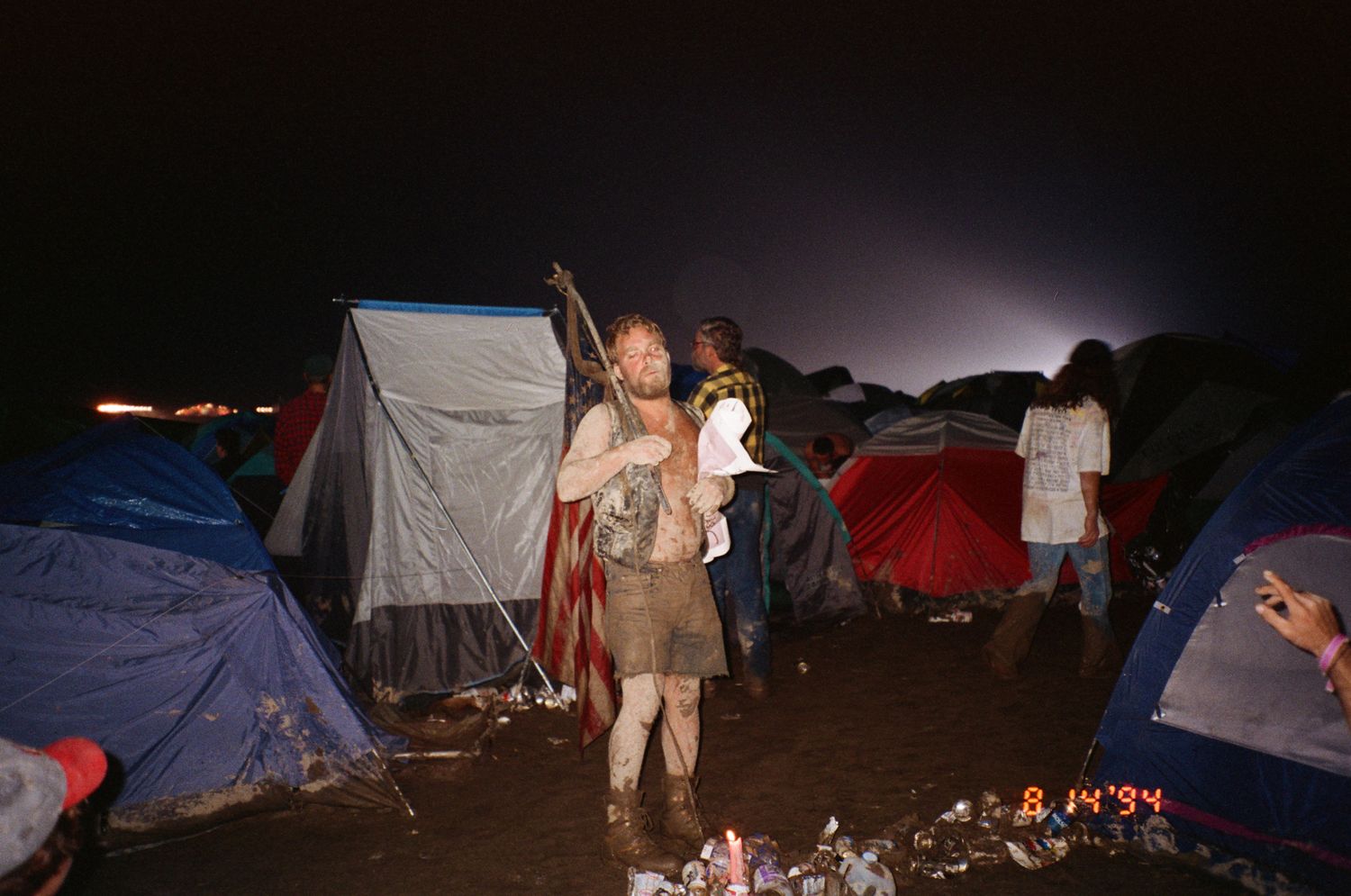
Then, a shift occurred. Rather than fighting the expanding pits, small groups began to embrace them. What started as localized pockets of wet clay became the birthplace of the festival's "mud people." On this Saturday, before the valley turned entirely fluid, the mud was a choice—a conscious decision to dive into the mess, slide through the trenches, and cover oneself in the earth. It turned these specific corners of the farm into primal, isolated playgrounds, foreshadowing a larger identity shift that would soon define the entire weekend.
By nightfall, the energy across the fields was intense and beautifully raw. The localized mud pits had become landmarks of their own, attracting crowds under the glow of the distant stage lights. Hundreds of thousands of people roamed from stage to stage, the air thick with a collective, soaring spirit. Those who had surrendered to the mud carried it like a badge of belonging. On this night, it wasn't a byproduct of a storm, but a symbol of raw, collective joy—a great equalizer that stripped away pretense and left only the pure, shared experience of the music and the farm.
The morning of August 14 brought a brief reprieve, offering some of the most amazing, flawless performances of the entire weekend. The early crowd gathered under relatively clear skies, the music carrying a soaring, celebratory clarity. Joe Cocker took the North Stage, anchoring the festival to its historical roots, his powerful voice cutting through the humid air and setting an incredible baseline for the day. The energy stayed high as Blind Melon stepped into the spotlight, delivering an incredible set that kept the massive crowd locked into the celebration.
But the true turning point of the weekend arrived just after Blind Melon finished performance.
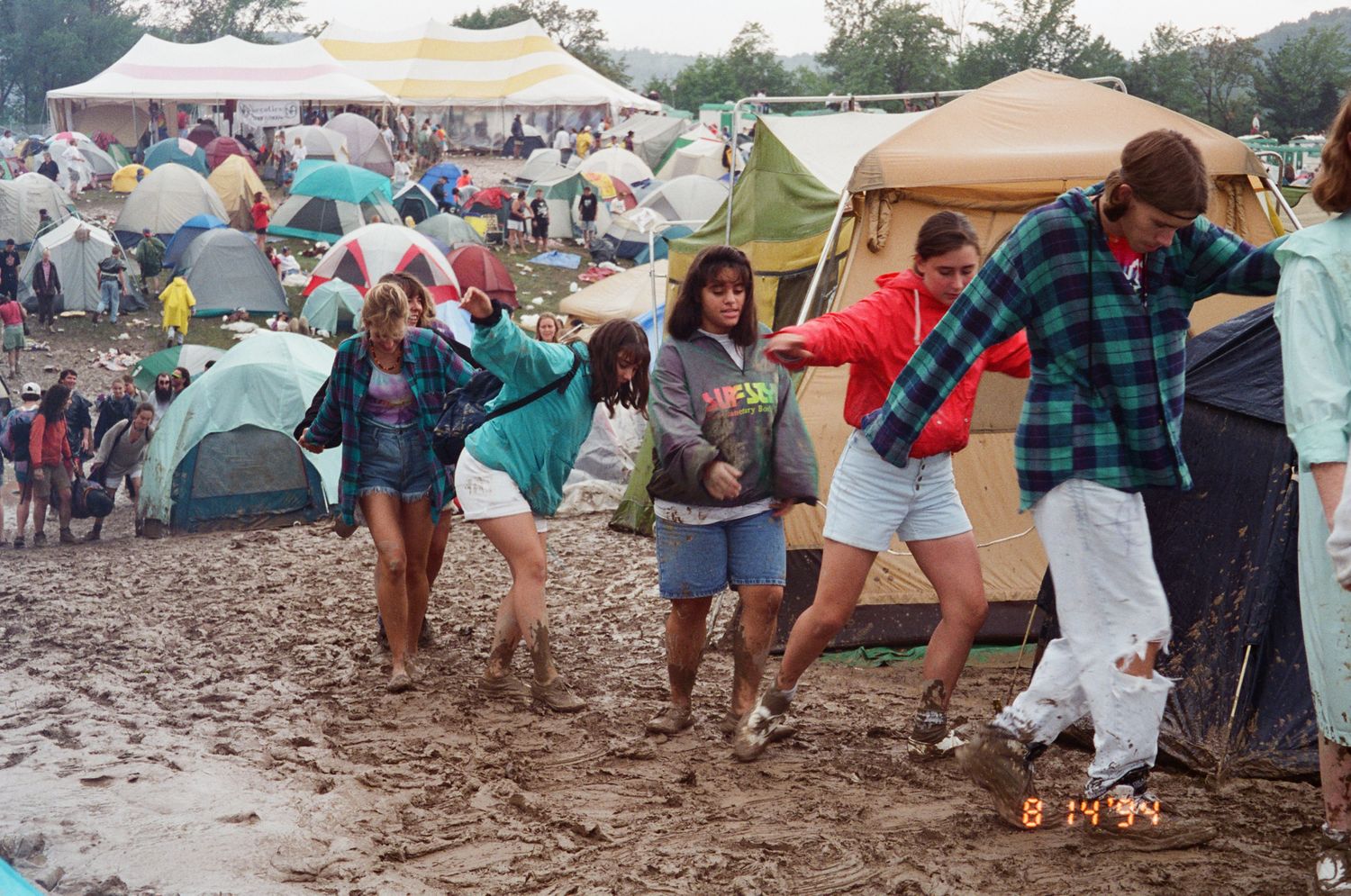
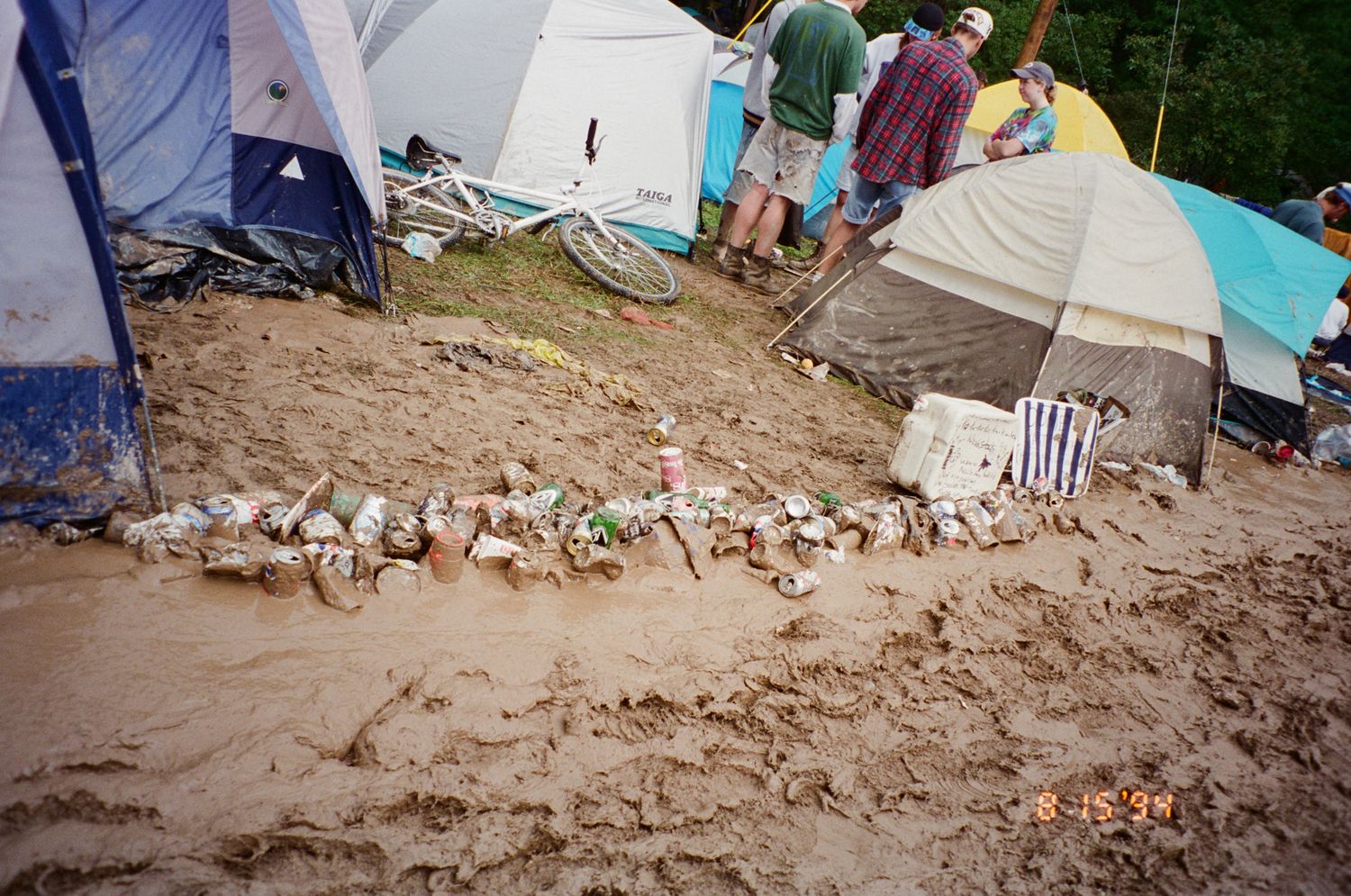
As the final notes faded from the stage, the skies finally opened up. The rain didn't just fall; it saturated the landscape instantly. Within minutes, the fragile compromise between the crowd and the earth vanished entirely. The localized pits from the previous day expanded, bled into one another, and dissolved the remaining grass. The entire topography of Winston Farm was instantly rewritten, turning the rolling hills into a giant, liquid slip-and-slide of mud. Any lingering effort to stay clean was abandoned. The surrender was immediate and total. The landscape had become an active participant in the festival, an inescapable, slippery canvas that everyone wore.
By evening, the persistent downpour gave way to an atmosphere that was enormous, epic, and wild. The exhaustion of three days in the elements was completely overtaken by the realization that they were witnessing something historic.
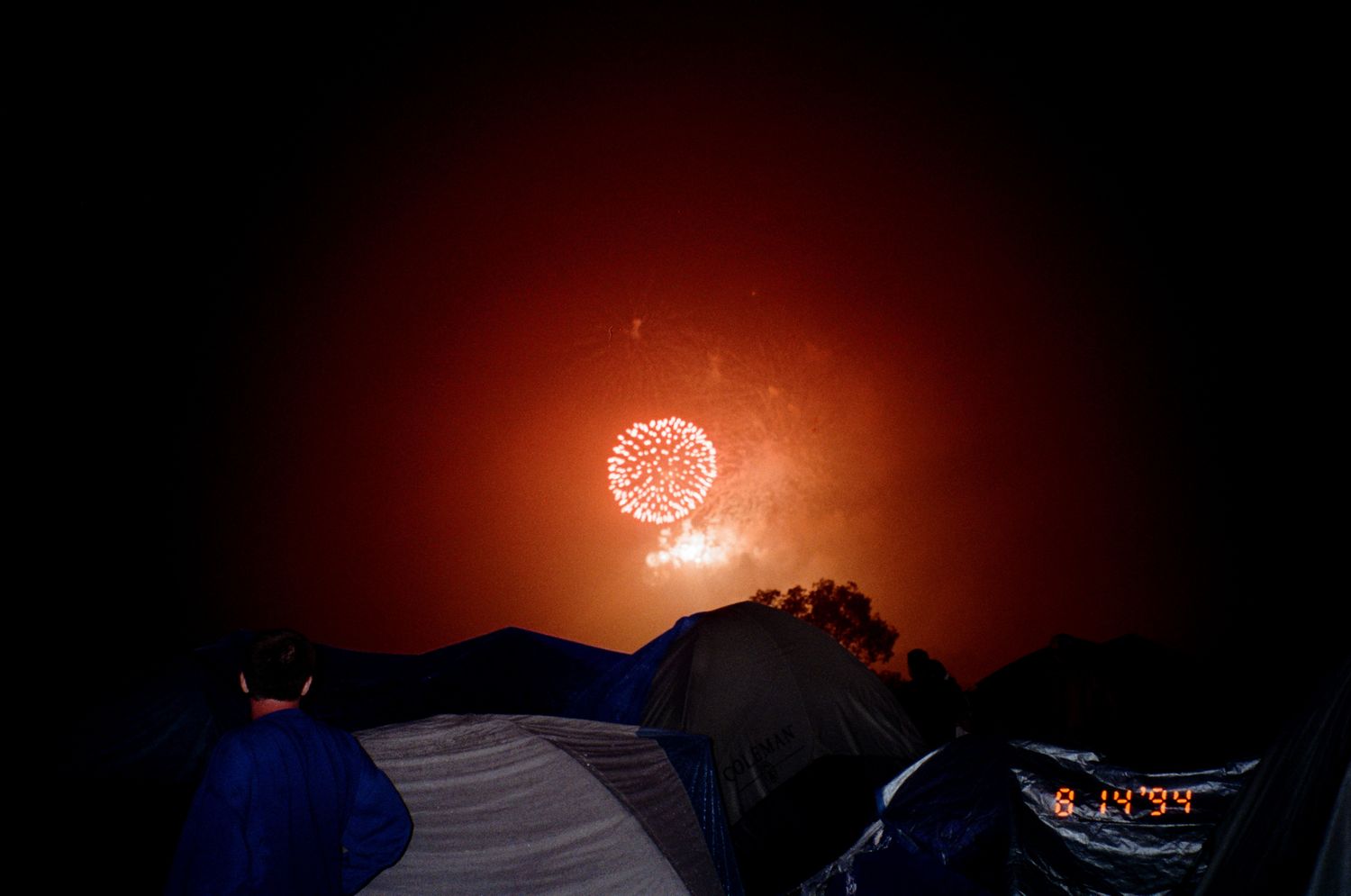
Suddenly, a massive fireworks display erupted into the night sky, bursting over the drenched, glistening basin of the farm. The flashes of color illuminated a sea of hundreds of thousands of clay-covered faces, all looking upward in unison. The contrast was stunning—the brilliant, clean sparks of light exploding above a crowd deeply embedded in the thick, dark earth below. It ignited an immense, celebratory party across the fields, an outpouring of collective resilience and joy that felt entirely separate from the outside world.
As the festival moved toward its final hours, the closing acts delivered a series of sublime, historic performances that perfectly met the scale of the moment. Then came the end.
Peter Gabriel took the stage to close out Woodstock '94, wrapping the exhausted, muddy valley in a dense, atmospheric fog of sound. Surrounded by a shroud of heavy mist and stage smoke, his performance felt deeply communal, almost spiritual. As the final notes of the festival echoed out into the cool Saugerties night, the music served as the ultimate resolution. The crowd stood together in the deep muck, shivering but soaring, completely bound by the shared survival of the weekend. The farm was quiet again, but the footprint of those three days was permanently stained into the memory of everyone who stood their ground.
Chapter 4: The Exodus
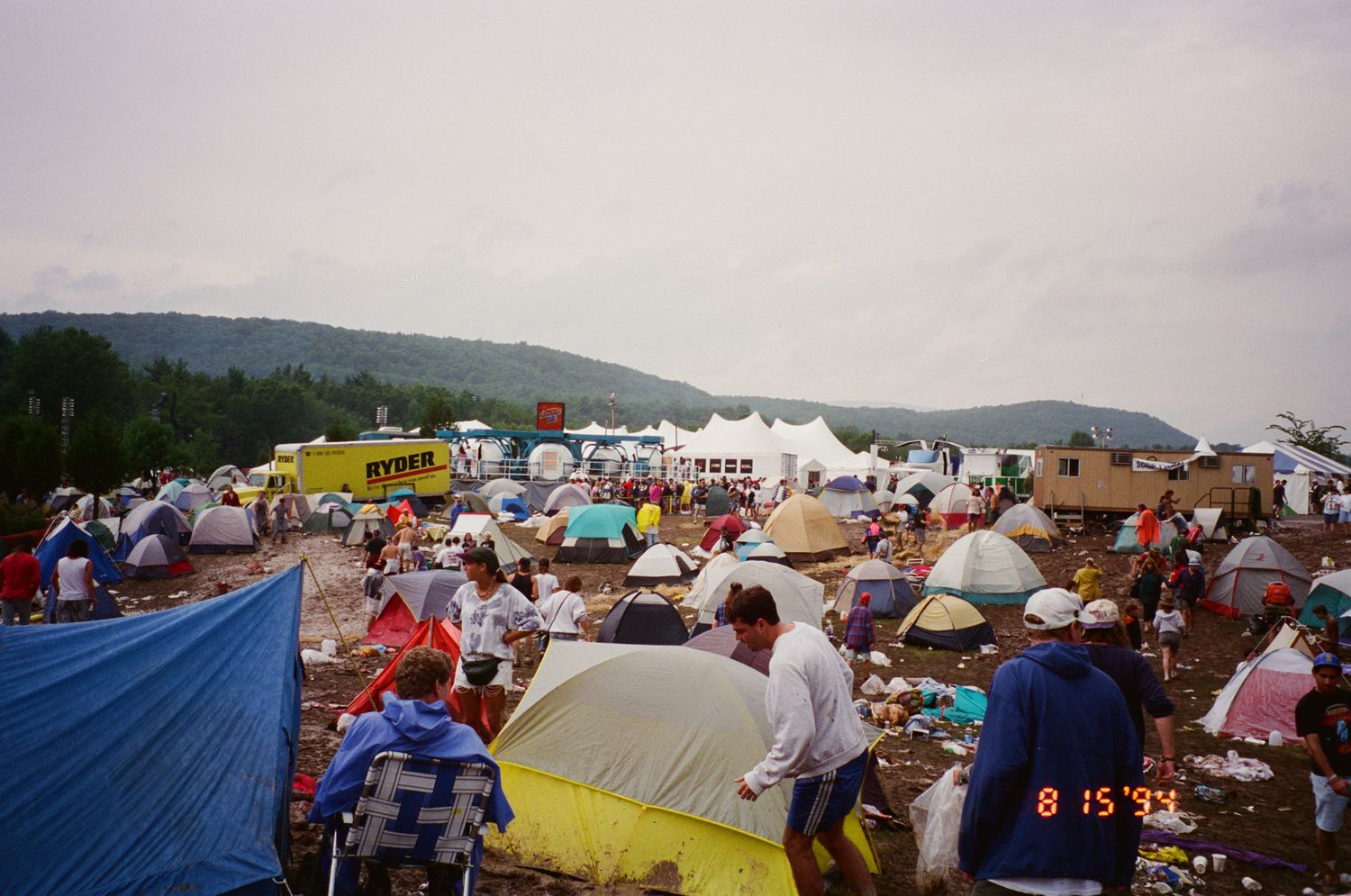
August 15, 1994, brought the dawn of departure. The music had finally stopped, leaving a profound, unfamiliar quiet hanging over the Saugerties valley.
As the sun rose over Winston Farm, the massive speaker stacks that had just hours ago blown out some of the sweetest notes from numerous decades of the best musicians underwent a stark transformation. The melodies were replaced by the booming, metallic drone of logistical announcements. The voices echoing across the valley were focused entirely on safety and navigation, trying to guide the sprawling, weary crowd back to their respective parking lots and charter buses. It was a jarring acoustic shift, signaling to everyone that the community of the last three days was now a massive dispersal operation.
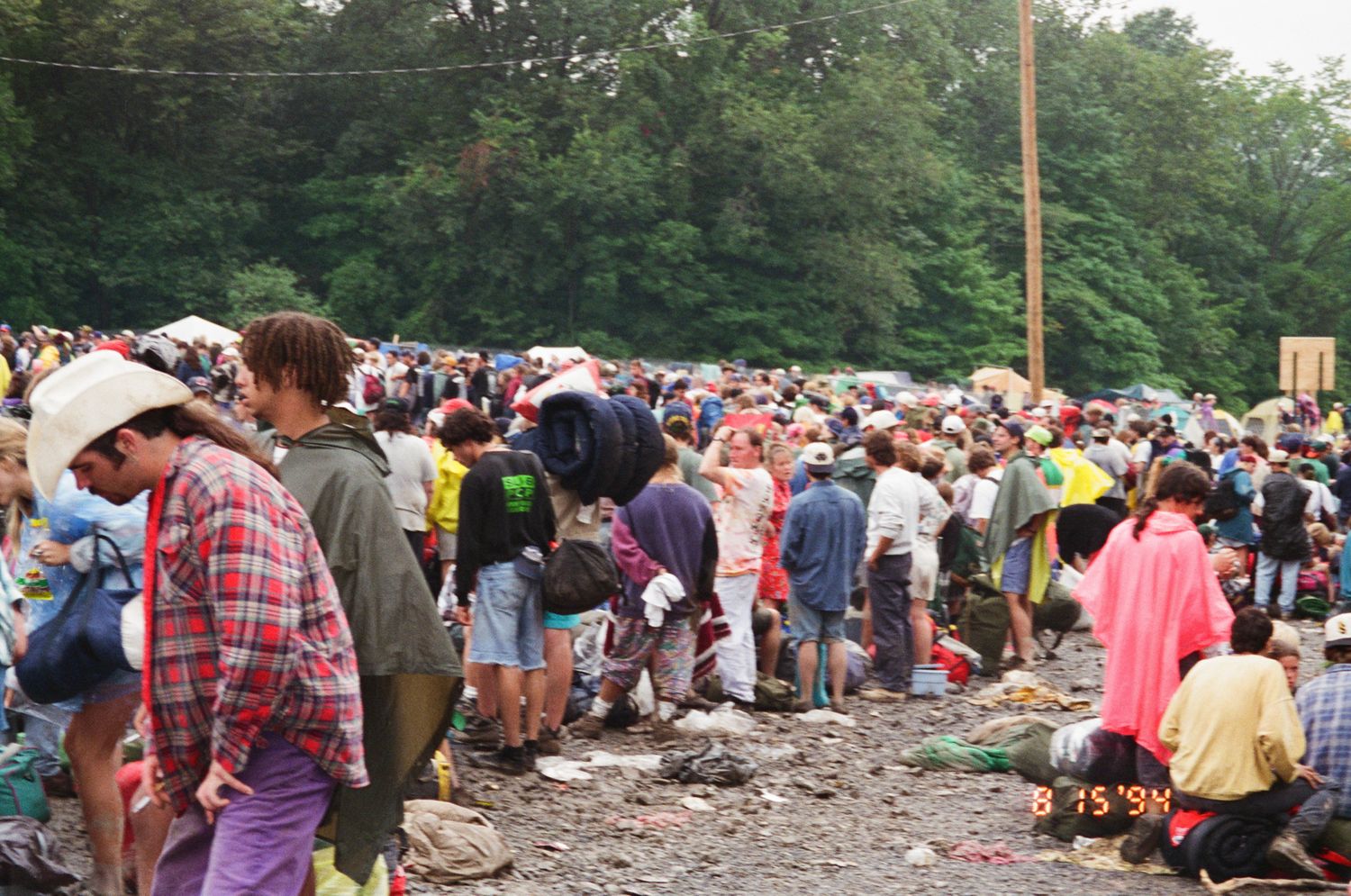
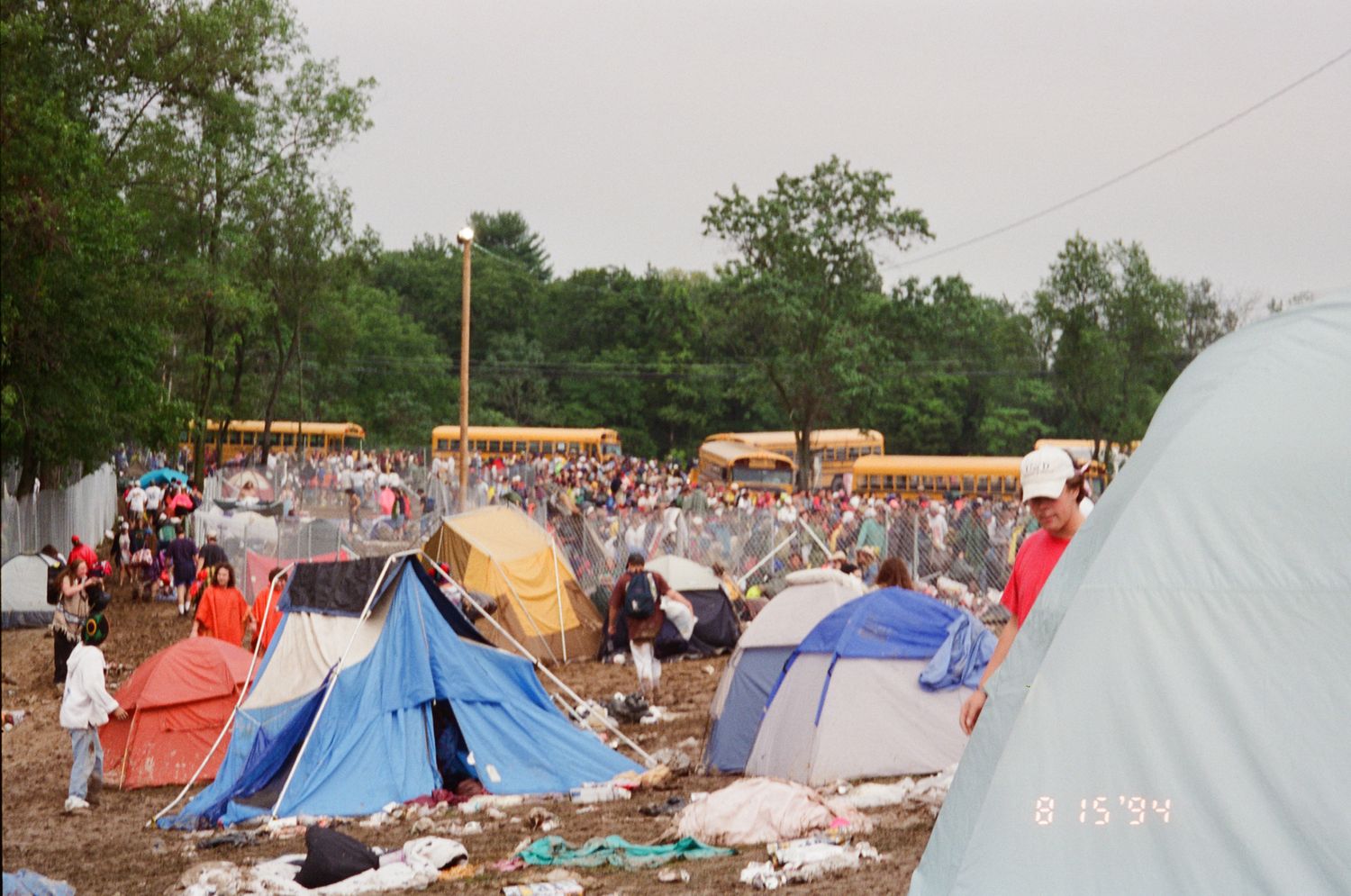
The landscape itself looked less like a festival and more like the aftermath of a historic migration. The rolling green hills were now a vast, monochromatic expanse of churned gray clay, littered with abandoned sneakers, flattened tents, and the physical remnants of a half-million people.
The departure quickly became a slow, massive crawl. The lines for the exit buses grew to a complete standstill, overwhelmed by the sheer volume of fans packed together, waiting for a ride out. The wait became so immense that the line simply stopped moving. For many, the stagnation was too much; giving up on the buses entirely, hundreds of fans stepped out of the queues and headed down the local roads on foot. They walked in long, determined lines, tracing the pavement in the general direction of their respective colored parking lots miles away.
Walking through the drying, sticky muck of the farm required a coordinated effort; every step was a physical negotiation with the earth. People walked in single file lines along paths of flattened cardboard or whatever solid ground could be found, helping strangers balance as boots were swallowed by the clay. In the fields, cars, buses, and vans were deeply embedded, their tires spinning fruitlessly in the ruts. The same spirit of collective resilience that defined the mud pits now turned toward pushing vehicles out of the mire. Groups of ten or twenty strangers would line up behind a bumper, coated once more in flying spray as the tires finally caught traction.
As the day progressed, the long lines of travelers stretched out along the local highways, a nomadic army of the weary and the proud. They were exhausted, shivering, and deeply caked in the gray soil of the farm, but there was a distinct lack of frustration. Instead, a quiet camaraderie carried the line forward. Passersby and local residents watched the parade of clay-covered faces with a mix of awe and curiosity.
By the time the last fields cleared and the highway lines began to move, the physical distance from Winston Farm grew, but the internal shift was permanent. The skin would eventually be scrubbed clean and the ruined clothes thrown away, but the shared survival of the music, the mud, and the journey out ensured that no one who walked away from that field would ever truly leave it behind.
Woodstock 94 Fan Archive Client Galleries